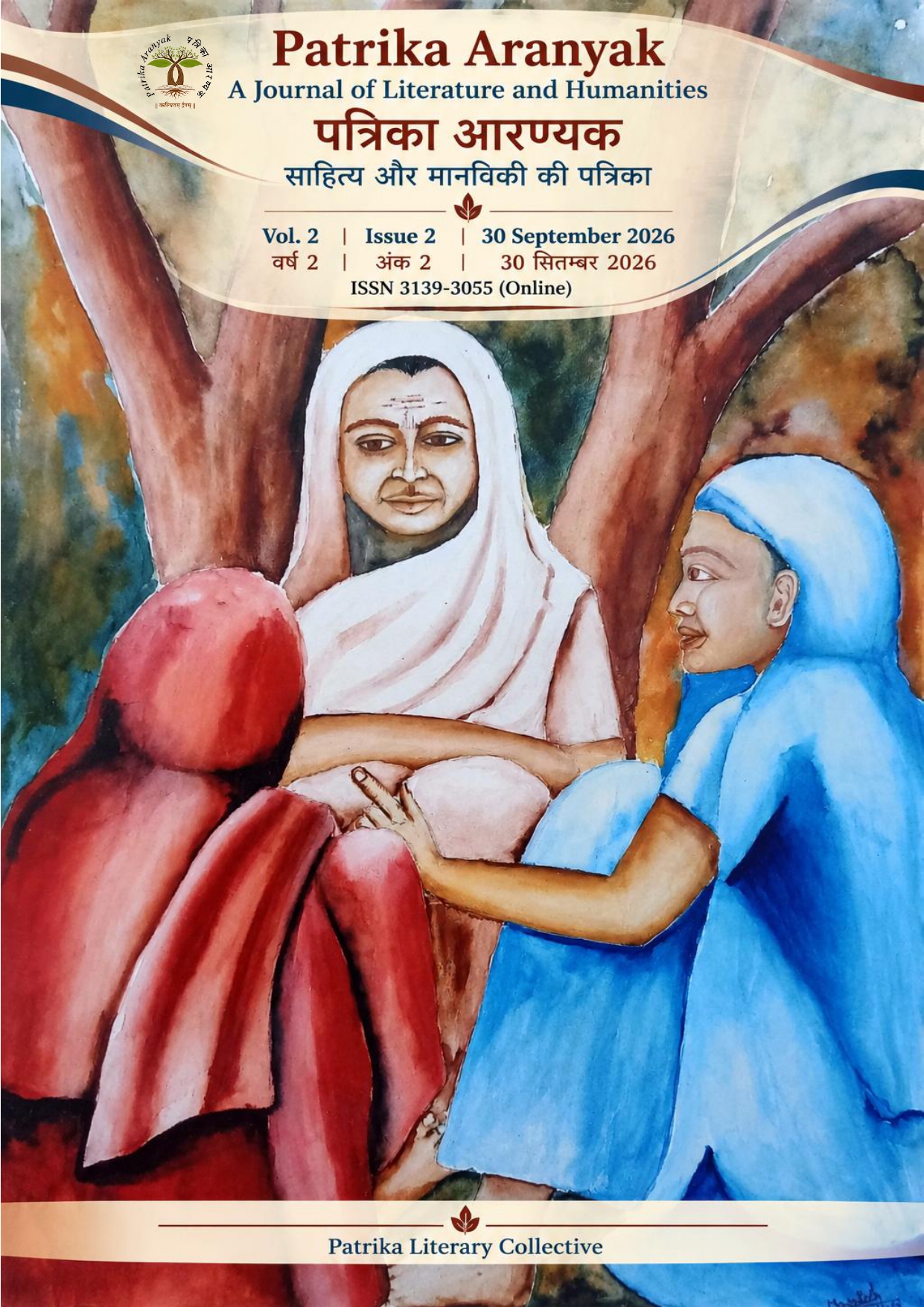

About Patrika Aranyak
In Sanskrit, Aranyak means "of the forest"—a direct nod to the Āraṇyakas, texts composed for contemplation and philosophical inquiry in solitude. Patrika Aranyak draws its spirit from that inheritance. We publish research, poetry, fiction, essays, translations, and critical commentary that bring contemporary thought into conversation with philosophical and literary traditions. We refuse to treat the past as a museum or the present as a rupture, seeking instead the living conversations that pulse across time. Rooted in India's philosophical heritage and open to voices from around the world, Patrika Aranyak is a home for readers who crave rigorous inquiry, bold creativity, and fearless dialogue.